
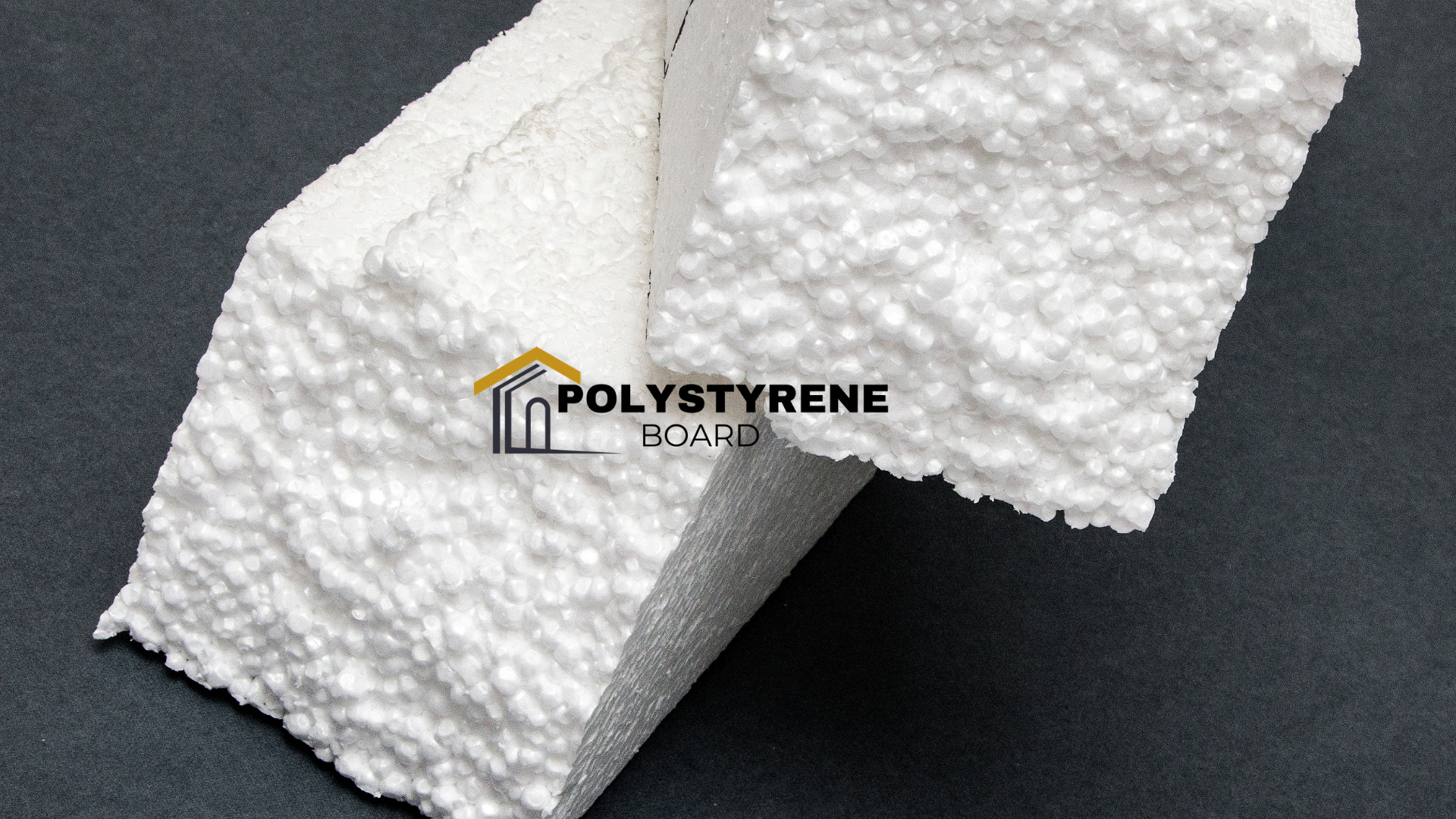
High-impact polystyrene is one of the most versatile thermoplastic materials used across the construction, manufacturing, packaging, and insulation industries. Known for its durability, lightweight nature, and excellent formability, it has become a critical material in modern building systems and industrial production. In particular, polystyrene board products such as EPS insulation board and expanded polystyrene board are widely used for thermal insulation, protective packaging, and structural applications.
The global insulation materials market continues to grow rapidly due to increasing demand for energy-efficient buildings. According to industry reports from the International Energy Agency (IEA) and Grand View Research, the global insulation market is expected to surpass $100 billion by 2030, driven largely by energy regulations and sustainable construction trends. Materials like polystyrene play a significant role in this growth because they deliver high thermal performance at relatively low cost.
In construction, polystyrene insulation board uses range from wall insulation systems to cold storage facilities and foundation protection. At the same time, polystyrene board for construction provides a reliable solution for architects and engineers seeking materials that combine structural strength, insulation performance, and moisture resistance.
This guide provides an expert-level explanation of high-impact polystyrene, the various types of polystyrene boards, their benefits, practical applications, environmental considerations, and how to choose the right insulation material for your project.
What is High Impact Polystyrene?
High impact polystyrene (HIPS) is a modified version of standard polystyrene that has been engineered to improve impact resistance and mechanical strength. It is produced by combining polystyrene with rubber additives, typically polybutadiene, to enhance durability while maintaining the material’s lightweight and moldable characteristics.
Unlike brittle general-purpose polystyrene, HIPS offers improved flexibility and resistance to cracking, making it suitable for both structural and industrial uses.
Manufacturing Process
High impact polystyrene is produced through polymerization processes where styrene monomers are combined with rubber particles. The resulting composite structure allows the material to absorb mechanical stress more effectively.
In the case of expanded polystyrene board, the manufacturing process involves expanding polystyrene beads using steam and then molding them into rigid boards or shapes.
Key Properties of High Impact Polystyrene
High impact polystyrene and polystyrene boards share several important material characteristics:
-
Lightweight structure
-
Excellent thermal insulation performance
-
High impact resistance
-
Moisture resistance
-
Ease of fabrication and shaping
-
Cost-effectiveness
-
Long service life
These properties make polystyrene products ideal for insulation systems, packaging solutions, and lightweight construction components.
Types of Polystyrene Boards
Polystyrene boards used in insulation and construction typically fall into three main categories. Each type has unique properties that make it suitable for specific applications.
Expanded Polystyrene (EPS)
Expanded polystyrene board, commonly referred to as EPS insulation board, is one of the most widely used insulation materials in the world.
EPS is manufactured by expanding small polystyrene beads with steam until they form a rigid foam structure. The beads fuse together, creating a lightweight yet strong insulation board.
Key characteristics of EPS include:
-
Low density and lightweight structure
-
Excellent thermal insulation properties
-
Good moisture resistance
-
Affordable production cost
-
Widely used in building insulation
EPS boards are commonly used in:
-
External wall insulation systems
-
Roof insulation
-
Floor insulation
-
Cold storage construction
-
Packaging protection
Extruded Polystyrene (XPS)
Extruded polystyrene boards are produced through an extrusion process that creates a closed-cell foam structure.
Compared to EPS, XPS offers:
-
Higher compressive strength
-
Improved moisture resistance
-
Greater insulation performance
-
Higher durability under load
Because of these properties, XPS boards are frequently used in demanding environments such as:
-
Foundation insulation
-
Underground construction
-
Heavy-load flooring systems
-
Inverted roof insulation systems
Graphite Polystyrene Boards
Graphite-enhanced polystyrene boards represent a newer innovation in insulation materials. These boards incorporate graphite particles that improve thermal efficiency by reflecting radiant heat.
Advantages include:
-
Higher insulation performance than standard EPS
-
Improved energy efficiency
-
Reduced material thickness requirements
Graphite EPS boards are commonly used in modern energy-efficient buildings and passive house designs.
Major Advantages of Polystyrene Boards
Polystyrene boards have become one of the most popular insulation materials due to their combination of performance, affordability, and ease of installation.
Excellent Thermal Insulation
One of the main benefits of polystyrene insulation board uses is its thermal resistance. EPS insulation boards typically have thermal conductivity values between 0.032 and 0.038 W/mK, making them highly effective in reducing heat transfer.
This helps maintain stable indoor temperatures while reducing energy consumption.
Lightweight Structure
Polystyrene boards are significantly lighter than traditional insulation materials such as mineral wool or concrete panels. This makes transportation, handling, and installation easier.
Moisture Resistance
The closed-cell foam structure of EPS and XPS prevents significant water absorption, making them suitable for environments where moisture exposure is possible.
Cost Efficiency
Compared to many other insulation materials, polystyrene boards offer a favorable cost-to-performance ratio. Builders can achieve strong thermal insulation without dramatically increasing project costs.
Durability and Longevity
When properly installed, polystyrene insulation boards can last 30–50 years or more, maintaining their insulation performance throughout the life of a building.
Common Applications of Polystyrene Boards
Polystyrene boards are used across a wide range of industries. Their versatility allows them to serve both structural and insulation roles.
Building Insulation
One of the most common polystyrene board for construction applications is building insulation.
EPS and XPS boards are used in:
-
External wall insulation systems
-
Interior wall insulation
-
Thermal insulation for roofs
-
Insulated flooring systems
Cold Storage and Refrigeration
Cold storage facilities require reliable insulation materials to maintain stable low temperatures. Polystyrene boards are widely used in refrigerated warehouses and food processing facilities.
Packaging Protection
Expanded polystyrene is commonly used to manufacture protective packaging for electronics, appliances, and fragile products.
Decorative Architecture
Lightweight polystyrene boards can also be shaped into architectural moldings, decorative panels, and structural forms.
Infrastructure and Civil Engineering
In civil engineering, EPS geofoam blocks are used to reduce soil pressure and stabilize embankments.
Polystyrene Board vs Other Insulation Materials
Below is a comparison between polystyrene boards and other common insulation materials.
| Material | Thermal Performance | Moisture Resistance | Cost | Weight |
|---|---|---|---|---|
| EPS Polystyrene | High | Moderate | Low | Very light |
| XPS Polystyrene | Very high | High | Medium | Light |
| Fiberglass | Moderate | Low | Low | Medium |
| Mineral Wool | High | Moderate | Medium | Heavy |
| Polyurethane Foam | Very high | High | High | Light |
Polystyrene insulation offers a strong balance of affordability, performance, and durability.
Environmental Impact and Sustainability
Polystyrene materials have historically faced criticism regarding environmental impact. However, advancements in recycling and manufacturing technology are improving sustainability.
Recyclability
Expanded polystyrene can be recycled and reprocessed into new products such as:
-
Insulation materials
-
Packaging components
-
Plastic construction products
Energy Efficiency Benefits
Buildings insulated with EPS or XPS boards consume significantly less energy for heating and cooling.
According to the International Energy Agency, building insulation can reduce energy consumption by up to 40%, making materials like polystyrene crucial for energy-efficient construction.
Modern Recycling Innovations
Many countries now operate specialized EPS recycling facilities that compact and reuse polystyrene waste.
How to Choose the Right Polystyrene Board
Selecting the right insulation board depends on several factors.
Density
EPS boards are available in different densities. Higher density boards provide greater compressive strength.
Thickness
Insulation thickness affects thermal performance. Thicker boards provide better insulation but may increase installation costs.
Fire Rating
Many construction codes require fire-resistant insulation materials. Flame-retardant polystyrene boards are available for compliance.
Environmental Conditions
Moisture exposure, temperature changes, and structural load requirements should all be considered when selecting insulation boards.
Market Trends and Industry Growth
The demand for insulation materials continues to grow due to increasing construction activity and stricter energy regulations.
According to Grand View Research, the global expanded polystyrene market is projected to grow at a compound annual growth rate (CAGR) of over 6% during the next decade.
Key factors driving this growth include:
-
Energy-efficient building standards
-
Urbanization and infrastructure development
-
Increased cold chain logistics
-
Sustainable construction practices
As governments adopt stricter building codes focused on energy efficiency, materials like polystyrene boards will remain central to modern construction systems.
Frequently Asked Questions (FAQ)
Is polystyrene board waterproof?
Polystyrene boards are not completely waterproof but they are highly moisture resistant. Their closed-cell structure limits water absorption.
Is EPS insulation safe for buildings?
Yes. EPS insulation boards are widely used in construction and meet international safety standards when installed correctly.
How long does polystyrene insulation last?
Polystyrene insulation boards can last 30 to 50 years or more, depending on environmental conditions and installation quality.
Can polystyrene boards be recycled?
Yes. Expanded polystyrene can be recycled and reprocessed into new plastic products and insulation materials.
What thickness of polystyrene board is best for insulation?
The ideal thickness depends on climate conditions and building requirements. Most residential insulation systems use boards between 25mm and 100mm thick.
Is high impact polystyrene stronger than regular polystyrene?
Yes. High impact polystyrene contains rubber modifiers that significantly improve impact resistance and durability.
Conclusion
High impact polystyrene and related polystyrene board products have become essential materials in modern construction, packaging, and industrial applications. Their combination of lightweight structure, strong insulation performance, durability, and cost efficiency makes them one of the most practical materials for builders and manufacturers.
From EPS insulation board systems used in energy-efficient buildings to expanded polystyrene board packaging solutions, these materials continue to support innovation across multiple industries. As demand for sustainable and energy-efficient construction grows, polystyrene insulation will remain a critical component of modern building technology.
For builders, architects, and manufacturers looking to improve insulation performance while controlling costs, polystyrene boards offer a reliable and versatile solution.
Learn more about high-performance insulation materials and explore the best polystyrene board solutions for your next construction project.