
Polystyrene glue is an essential material used in construction, insulation installation, packaging, and industrial manufacturing. As expanded polystyrene (EPS) and extruded polystyrene (XPS) boards become increasingly popular in modern building systems, selecting the correct adhesive is critical for ensuring long-term structural stability and insulation performance.
Polystyrene foam materials are widely used because they are lightweight, cost-effective, and excellent thermal insulators. According to research from the International Energy Agency (IEA), effective insulation systems can reduce building energy consumption by up to 40%, making insulation materials such as polystyrene boards a key component of energy-efficient construction. However, the performance of these systems depends heavily on the bonding method used during installation.
Unlike traditional adhesives, glue for polystyrene board must be specially formulated to avoid chemical solvents that can dissolve or damage foam materials. This makes choosing the correct adhesive for polystyrene insulation essential for builders, contractors, and DIY installers.
In this expert guide, we will explore what polystyrene glue is, how it works, the different types available, how to choose the best glue for polystyrene foam, and the most common construction applications. By the end of this article, you will have a clear understanding of how to select the right polystyrene foam board adhesive for your project.
What is Polystyrene Glue?
Polystyrene glue refers to a category of adhesives specifically designed to bond polystyrene foam materials without damaging them. Standard adhesives often contain solvents that can melt or degrade foam insulation, which makes specialized adhesives necessary for safe and effective bonding.
Polystyrene adhesives are typically formulated using polyurethane, acrylic, cement-based compounds, or solvent-free polymer technologies that provide strong adhesion while remaining compatible with foam insulation.
Key Properties of Polystyrene Glue
High-quality adhesives used for polystyrene foam typically have the following characteristics:
-
Strong bonding strength
-
Compatibility with EPS and XPS insulation boards
-
Low solvent or solvent-free composition
-
Moisture resistance
-
Thermal stability
-
Durability for long-term use
These properties make polystyrene glue suitable for both interior and exterior construction applications.
Why Specialized Glue is Required for Polystyrene
Polystyrene foam is chemically sensitive to certain solvents found in many conventional adhesives. These solvents can break down the foam structure, causing deformation, weakening, or complete material damage.
Using a polystyrene foam board adhesive specifically designed for foam materials prevents this problem while ensuring proper bonding performance.
Key Reasons to Use Foam-Safe Adhesives
Material Protection
Foam-safe adhesives prevent chemical reactions that could dissolve polystyrene.
Strong Structural Bonding
High-quality adhesives create a stable bond between insulation boards and surfaces such as concrete, drywall, wood, or metal.
Improved Insulation Efficiency
Proper bonding eliminates air gaps between the insulation board and the wall, improving thermal performance.
Durability
Specialized adhesives ensure that insulation systems remain intact for decades.
Types of Polystyrene Glue Used in Construction
Several types of adhesives are used for bonding polystyrene insulation boards. The choice depends on the installation method, environmental conditions, and surface materials.
Polyurethane Adhesives
Polyurethane adhesives are one of the most popular options for bonding insulation boards.
These adhesives often come in foam form and expand slightly during curing to fill gaps between the board and the substrate.
Advantages
-
High bonding strength
-
Fast curing time
-
Excellent moisture resistance
-
Compatible with EPS and XPS boards
Polyurethane adhesives are commonly used in wall insulation systems and roofing applications.
Cement-Based Adhesives
Cement-based adhesives are widely used in exterior insulation systems such as External Thermal Insulation Composite Systems (ETICS).
These adhesives are supplied as dry powder mixes that are combined with water before application.
Benefits
-
Strong bond with masonry surfaces
-
High durability
-
Suitable for outdoor use
-
Resistant to temperature changes
They are often used as glue for polystyrene board in large-scale construction projects.
Acrylic Adhesives
Acrylic adhesives are water-based and environmentally friendly bonding solutions.
They are often used for interior installations where odor and environmental impact must be minimized.
Key Advantages
-
Low odor
-
Safe for indoor applications
-
Easy application
-
Good adhesion to multiple surfaces
Solvent-Free Construction Adhesives
Solvent-free adhesives are specifically engineered to avoid chemicals that can damage foam insulation.
They are commonly used for:
-
Decorative polystyrene panels
-
Lightweight insulation boards
-
DIY foam installation projects
These adhesives provide a safe and reliable bonding solution for foam materials.
Best Glue for Polystyrene Foam: Key Features to Look For
Choosing the best glue for polystyrene foam requires evaluating several technical characteristics.
Foam Compatibility
The adhesive must be clearly labeled as safe for polystyrene foam.
Bonding Strength
Strong adhesive bonding ensures insulation boards remain securely attached to the building surface.
Moisture Resistance
Exterior installations require adhesives that can withstand moisture, rain, and humidity.
Curing Time
Fast-curing adhesives allow faster project completion, especially in commercial construction.
Temperature Resistance
Adhesives used in roofing or exterior insulation systems must tolerate extreme temperature variations.
Common Applications of Polystyrene Glue
Polystyrene adhesives are widely used across construction, packaging, and industrial manufacturing sectors.
Wall Insulation Installation
One of the most common uses is attaching insulation boards to exterior and interior walls.
In these systems, the adhesive ensures proper bonding and eliminates air gaps that could reduce insulation efficiency.
Roof Insulation Systems
Polystyrene boards are commonly used in roofing insulation layers.
Polyurethane adhesives provide strong bonding while accommodating structural movement caused by temperature changes.
Floor Insulation
Adhesives can be used to secure insulation boards beneath flooring systems, improving thermal insulation and reducing heat loss.
Cold Storage Construction
Cold storage facilities require highly effective insulation systems to maintain low temperatures.
Polystyrene foam board adhesive ensures that insulation panels remain firmly in place.Decorative Interior Panels
Polystyrene glue is also used for attaching lightweight decorative foam panels and moldings in interior design applications.
Installation Best Practices for Polystyrene Glue
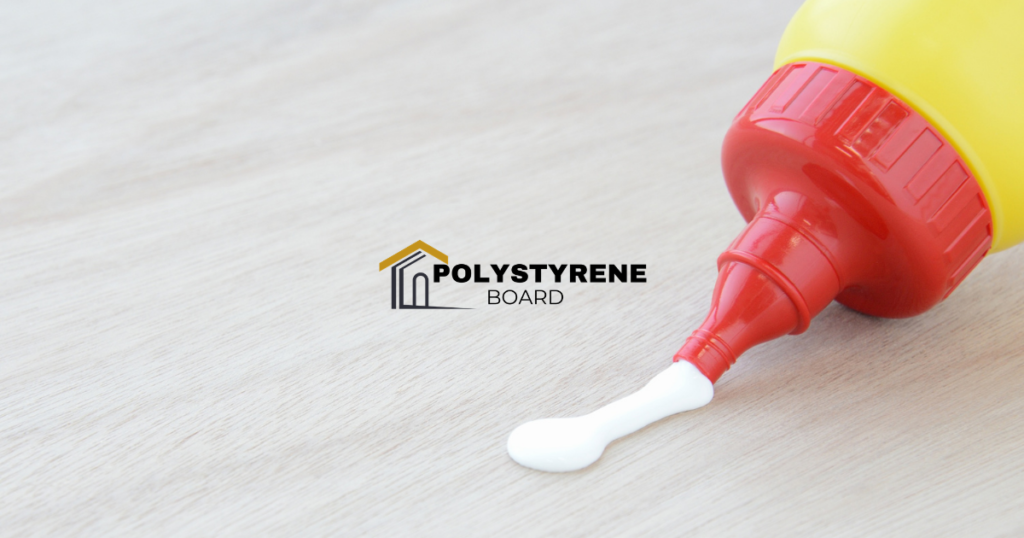
Proper installation techniques are essential for achieving strong and durable bonds.
Surface Preparation
The surface should be clean, dry, and free of dust or grease before applying adhesive.
Adhesive Application
Apply adhesive evenly across the board surface or in beads according to manufacturer guidelines.
Board Placement
Press the insulation board firmly against the surface and ensure proper alignment.
Curing Time
Allow sufficient curing time before applying additional finishing materials such as plaster or cladding.
Market Trends in Polystyrene Adhesive Technology
The demand for insulation materials and installation products continues to grow as energy efficiency becomes a global priority.
According to Grand View Research, the global insulation materials market is expected to reach over $100 billion by 2030, driven by stricter building regulations and increased demand for energy-efficient buildings.
Advances in adhesive technology are also improving the performance of polystyrene insulation systems. Modern adhesives now offer:
-
Faster curing times
-
Higher bonding strength
-
Reduced environmental impact
-
Improved weather resistance
These innovations help builders achieve more efficient and durable insulation installations.
Frequently Asked Questions (FAQ)
What is the best glue for polystyrene foam?
Polyurethane adhesives and solvent-free construction adhesives are commonly considered the best options for bonding polystyrene foam boards.
Can regular glue be used on polystyrene?
No. Many regular adhesives contain solvents that can dissolve or damage polystyrene foam.
How long does polystyrene glue take to dry?
Drying time varies depending on the adhesive type. Polyurethane adhesives may cure within a few hours, while cement-based adhesives may require 24 hours.
Can polystyrene boards be glued to concrete?
Yes. Cement-based adhesives or polyurethane adhesives are commonly used to attach polystyrene boards to concrete walls.
Is polystyrene glue waterproof?
Many high-quality adhesives used for insulation boards are moisture-resistant and suitable for outdoor use.
Does polystyrene glue work on wood surfaces?
Yes. Many foam-safe adhesives bond effectively with wood, drywall, concrete, and metal surfaces.
Conclusion
Polystyrene glue is a critical component in modern insulation systems and foam construction applications. By providing strong bonding without damaging foam materials, specialized adhesives ensure that polystyrene boards remain securely attached to walls, roofs, floors, and other building surfaces.
Choosing the right adhesive for polystyrene insulation improves insulation efficiency, enhances structural stability, and increases the lifespan of the installation. Whether you are working on residential construction, commercial insulation projects, or industrial applications, selecting the best glue for polystyrene foam is essential for achieving optimal results.
As demand for energy-efficient buildings continues to grow, the role of advanced adhesives in insulation systems will become even more important.
To learn more about insulation materials and installation techniques, explore our detailed guides on polystyrene boards and modern insulation solutions.